

Choosing among the types of cedar wood is easier when you separate species, grade, and intended use. Western Red Cedar is a versatile choice for siding, shingles, trim, and other exterior applications, while Alaskan Yellow Cedar is valued for durability, hardness, and demanding moisture exposure. This guide compares the two in practical terms and explains where other common cedar species fit.
Talk with Craft Global about the right cedar species, grade, and profile for your project.
What Are the Most Common Types of Cedar Used in Construction?
Western Red Cedar, Alaskan Yellow Cedar, Northern White Cedar, Eastern Red Cedar, Incense Cedar, and Port Orford Cedar are among the names buyers encounter in North American lumber markets. They are not interchangeable. Each has a different color, grain, density, decay-resistance profile, and best-use range, and the grade or manufacturing method can matter as much as the species.
- Western Red Cedar: A lightweight, straight-grained species commonly specified for siding, shingles, trim, soffits, doors, and other visible exterior work.
- Alaskan Yellow Cedar: A pale yellow species known for durability, resistance to splitting and checking, and strong performance in specialty and moisture-exposed applications.
- Northern White Cedar: A light, relatively soft cedar commonly used for shingles, fencing, rustic work, and other applications where low weight and weather exposure matter.
- Eastern Red Cedar: An aromatic species often selected for closets, chests, and small interior projects. It is a different product choice from Western Red Cedar siding lumber.
- Incense Cedar: A fine-grained western species used for trim, siding, pencils, and other millwork where a stable, workable material is useful.
- Port Orford Cedar: A specialty coastal species recognized for its fine texture and durability, often used selectively for high-value exterior or marine-related work.
The word cedar can also be confusing botanically. Several commercially important species sold as cedar belong to the cypress family rather than the genus Cedrus. For a construction buyer, the practical question is not whether a board carries the word cedar. It is whether the species, grade, moisture condition, profile, and detailing match the job.
Western Red Cedar vs Alaskan Yellow Cedar: Key Differences
Western Red Cedar and Alaskan Yellow Cedar are both premium options, but they solve slightly different material problems. Western Red Cedar is generally the easier all-around choice for lightweight architectural cladding and finish work. Alaskan Yellow Cedar is often a better fit when a harder, highly durable wood is needed for heavy wear, wet exposure, or specialty millwork.
| Characteristic | Western Red Cedar | Alaskan Yellow Cedar |
|---|---|---|
| Scientific name | Thuja plicata | Callitropsis nootkatensis, also called Alaska-cedar |
| Typical color | Reddish or pinkish brown heartwood with pale sapwood | Pale yellow to yellow-brown, often with a relatively even appearance |
| Workability | Lightweight, straight grained, easy to work, and receptive to finishes | Excellent milling characteristics, smooth wearing, and resistant to splitting and checking |
| Durability profile | Heartwood is resistant to very resistant to decay | Extremely durable heartwood with strong performance in specialty uses |
| Common project fit | Siding, shingles, trim, soffits, doors, screens, and visible architectural lumber | Fascia, decking, marine work, heavy-use exterior details, and specialty millwork |
The table is a starting point, not a substitute for a project specification. Species performance depends on heartwood proportion, grain, grade, moisture content, exposure, fasteners, drainage, ventilation, and finish. A qualified supplier can help match the material to the assembly instead of treating a species name as a complete performance guarantee.
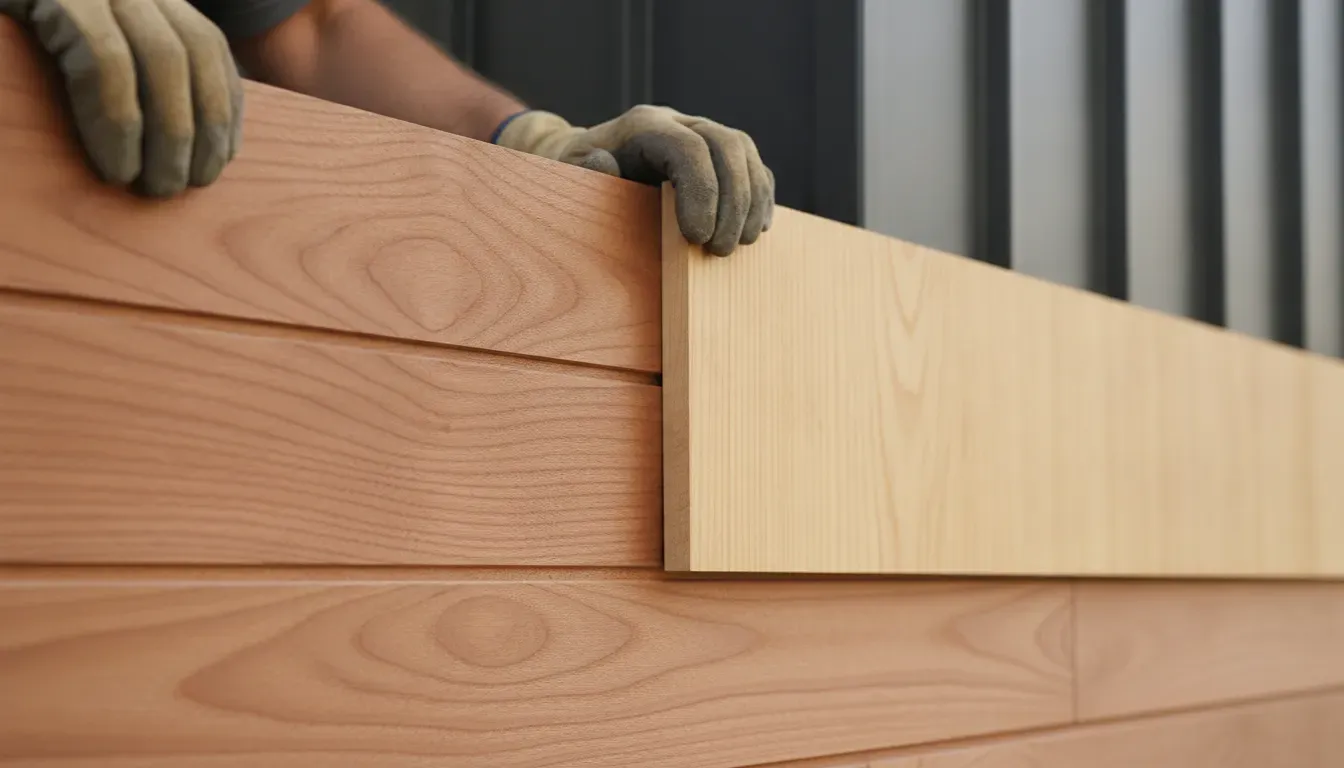
For an overview of how cedar products fit into a larger building-materials package, see Craft Global's engineered cedar siding and specialty cedar buyer resource. That broader guide covers product categories and sourcing, while this article focuses on species selection.
Color, Grain, and Natural Durability Compared
Color and grain affect more than appearance. They influence whether a finish looks even, how knots and growth rings read across a wall, and how a replacement board will blend into an existing elevation. Natural durability matters too, but it works best when paired with good water management and a realistic maintenance plan.
Western Red Cedar appearance and movement
Western Red Cedar heartwood ranges from reddish or pinkish brown to dull brown, while the sapwood is nearly white. The wood is generally straight grained with a uniform, somewhat coarse texture. The U.S. Forest Products Laboratory describes its shrinkage as very small and its heartwood as resistant to decay. Those characteristics help explain its popularity for visible exterior applications where stable dimensions and a consistent finish are important.
Western Red Cedar is also relatively light and moderately soft. That makes it practical to mill and install, but it means designers should not assume that a siding species is automatically suitable for a load-bearing post, beam, or high-impact location. Structural use requires the appropriate grade, engineering, connection design, and installation details.
Alaskan Yellow Cedar appearance and movement
Alaskan Yellow Cedar, also called Alaska-cedar or yellow-cedar, has a pale yellow appearance that can weather toward silver-gray when left unfinished. The U.S. Forest Service describes the wood as extremely durable and notes its resistance to splitting and checking, smooth-wearing qualities, and excellent milling characteristics. Those properties make it attractive when a project needs a refined pale tone or a wood that will tolerate demanding service conditions.
The species is not a universal upgrade over Western Red Cedar. A harder, denser-feeling material may be valuable for fascia, decking, marine work, or specialty details, but the final choice still depends on supply, dimensions, finish goals, and the assembly's exposure. A material that is excellent for a wet-use detail may be unnecessary for a lightweight cladding application.
Natural durability is not maintenance-free durability
Natural decay resistance slows deterioration, but it does not eliminate the need for design and maintenance. The Canadian Wood Council notes that service life depends on the species, decay hazard, maintenance, preservative treatment, and the nature of the construction. Keep cedar away from unintended water traps, provide drainage and ventilation, follow the finish manufacturer's instructions, and inspect end grain, joints, fasteners, and transitions regularly.
Which Cedar Species Is Best for Siding, Decking, and Structural Posts?
The best cedar species depends on the job, not on a universal ranking. Western Red Cedar is often the most flexible choice for architectural siding and trim. Alaskan Yellow Cedar can make more sense for high-wear or moisture-exposed details. Structural posts and beams require a separate specification process because appearance species and structural capacity are not the same decision.
For siding, soffits, and exterior cladding
Western Red Cedar is a strong starting point for siding because it combines low weight, workable grain, natural decay resistance in the heartwood, and a broad range of appearance grades and profiles. It can be specified as solid lumber or as an engineered cedar product when dimensional stability, consistent machining, or a particular tongue-and-groove profile is the priority.
Alaskan Yellow Cedar can also be used for exterior cladding and fascia when its pale color, durability, and specialty performance fit the design. Availability and budget may narrow the practical choice, so confirm the actual species, grade, thickness, moisture condition, and finish system before approving a substitution.
For decking and wet-use details
Decking, steps, fascia, and other horizontal or frequently wetted details deserve extra attention because water sits longer and surfaces receive more wear. Alaskan Yellow Cedar is worth considering when hardness, smooth wear, and high natural durability are useful. Western Red Cedar may be appropriate for lighter-duty outdoor details, but its lower hardness and lower beam or post strength make wear, span, and connection requirements especially important.
Neither species should be installed as though it were maintenance-free. Use proper clearances, slope horizontal surfaces, protect end grain where appropriate, and design joints so water can escape. The most durable species cannot compensate for a trapped-water detail.
For structural posts and beams
Do not choose a structural post by species name alone. Western Red Cedar is light and moderately soft, and the Forest Products Laboratory lists low strength when used as a beam or post. If a project needs a cedar appearance around a structural member, use a product engineered and specified for that purpose rather than converting appearance lumber into a structural claim.
Craft Global's WRC Seamless Post engineered Western Red Cedar structural post is an example of a purpose-built cedar post system. Confirm load requirements, dimensions, connections, concealed-routing needs, and installation details with the project team before ordering.
How to Source the Right Cedar Type for Your Project
Species selection is only one part of a reliable lumber order. Before requesting material, assemble a short specification that a supplier can price and verify. This reduces substitutions, avoids mismatched finish expectations, and helps the installation team receive material that fits the intended use.
- Define the exposure: Identify whether the material is interior, sheltered exterior, fully exposed, horizontal, ground-adjacent, or subject to marine or high-moisture conditions.
- Choose the performance target: Decide whether the priority is low weight, decay resistance, hardness, dimensional stability, finish quality, structural capacity, or a combination of these.
- Specify grade and appearance: State whether the project needs clear, select tight knot, vertical grain, or another appearance standard. Species and grade are separate decisions.
- Specify the profile and dimensions: Include board width, thickness, length, tongue-and-groove or bevel profile, edge treatment, and whether the material is solid or engineered.
- Plan the finish: Confirm whether the cedar will be left natural, stained, painted, or factory finished. Ask how the chosen finish affects lead time and maintenance.
- Confirm quantity and availability: Include waste, replacement stock, sequencing, and expected delivery timing. A readily available species can be the better project decision when it meets the performance target.
For example, a builder specifying a warm-toned exterior may choose Western Red Cedar siding with a clear or select grade, while a project with pale fascia and heavy moisture exposure may evaluate Alaskan Yellow Cedar. A distributor may stock both, but the quote should identify the species and grade clearly so the buyer is not comparing unlike materials.
Craft Global supplies engineered cedar siding, Western Red Cedar products, Alaskan Yellow Cedar material, cedar shingle panels, timbers, and specialty lumber for trade and residential projects. Review the Clear Cedar T&G engineered planks, Alaskan Yellow Cedar clear fascia, and cedar shingle panels when comparing product paths. The right choice can then be matched to the project's profile, finish, quantity, and delivery requirements.
Frequently Asked Questions About Cedar Wood Types
Is Western Red Cedar better than Alaskan Yellow Cedar?
Neither species is better for every project. Western Red Cedar is often the more flexible choice for lightweight siding, shingles, trim, and finish work. Alaskan Yellow Cedar is often considered when a pale color, higher wear resistance, strong natural durability, or specialty moisture performance is important. Compare the actual grade, dimensions, profile, exposure, finish, and availability before choosing.
What is the most durable type of cedar wood?
Alaskan Yellow Cedar and Western Red Cedar both have highly durable heartwood, but durability is not a single universal ranking. The U.S. Forest Service describes Alaskan Yellow Cedar as extremely durable, while the Forest Products Laboratory rates Western Red Cedar heartwood as resistant to very resistant to decay. Exposure, heartwood content, drainage, detailing, finish, and maintenance can change real-world performance.
Can cedar be used for structural posts?
Cedar can be used in a structural post system when the product is properly engineered, graded, specified, and installed for the required loads. Appearance-grade cedar boards should not be assumed to have structural capacity. Confirm spans, loads, connections, dimensions, and applicable code requirements with the project engineer or supplier before ordering. A purpose-built engineered post is a safer path than an unverified substitution.
Which cedar is best for siding?
Western Red Cedar is often the most versatile cedar choice for siding because it is lightweight, workable, naturally decay resistant in the heartwood, and available in multiple appearance grades and profiles. Alaskan Yellow Cedar may be appropriate when a pale appearance or specialty durability is central to the design. The best choice still depends on grade, profile, finish, climate, detailing, and availability.
Does cedar need to be sealed or stained?
Cedar does not become maintenance-free simply because it is naturally durable. An exterior finish can help manage color change and moisture movement, but the right system depends on the desired appearance and exposure. Follow the finish manufacturer's instructions, detail the assembly for drainage and ventilation, and inspect exposed end grain, joints, fasteners, and transitions as part of routine maintenance.
What is the difference between cedar species and cedar grade?
Cedar species identifies the tree and its general material characteristics, such as Western Red Cedar or Alaskan Yellow Cedar. Grade describes the board's appearance or structural classification, including factors such as knots, grain, and allowable defects. A clear Western Red Cedar board and a select tight knot Western Red Cedar board are the same species but different appearance choices. Specify both species and grade.